
Waiting
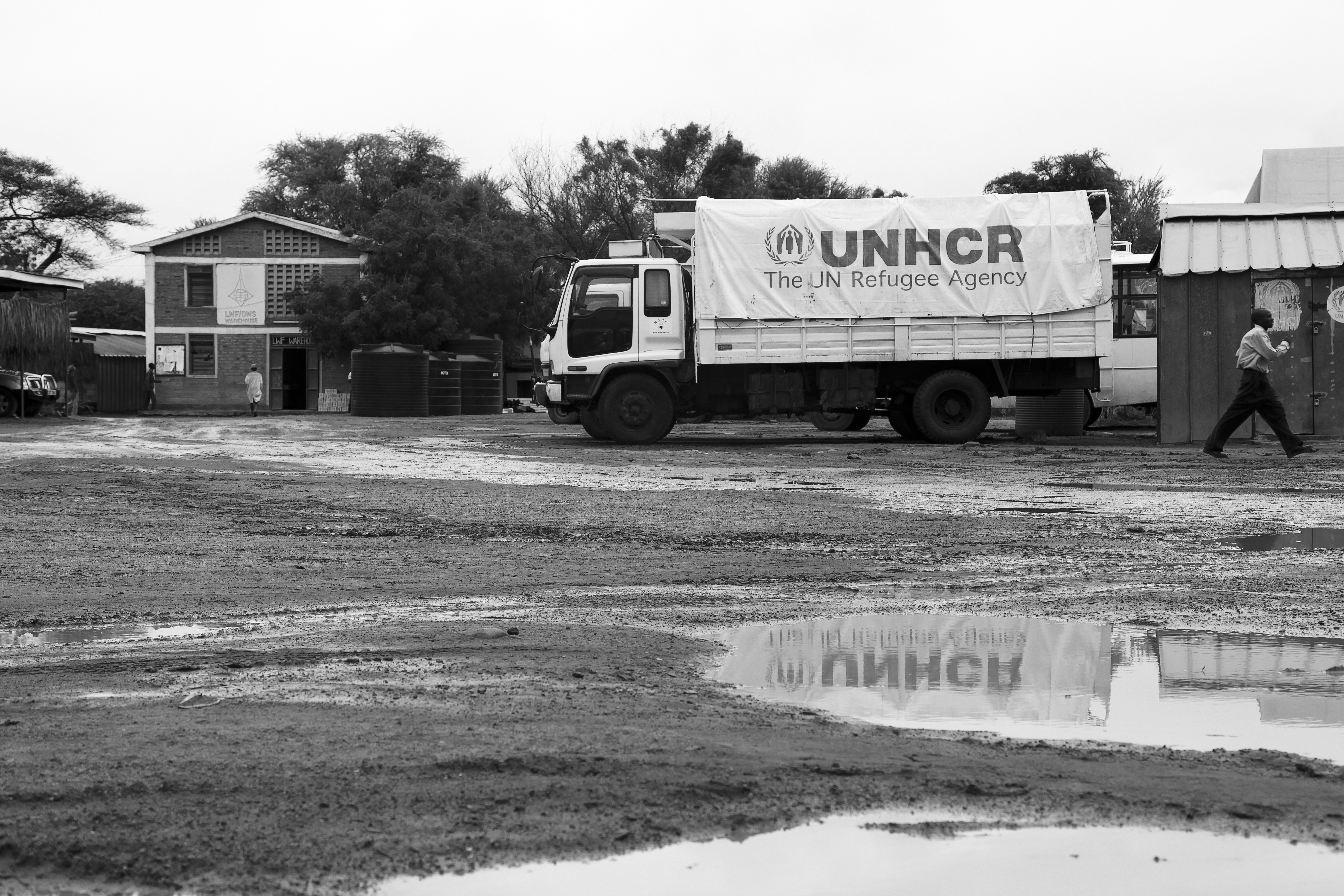
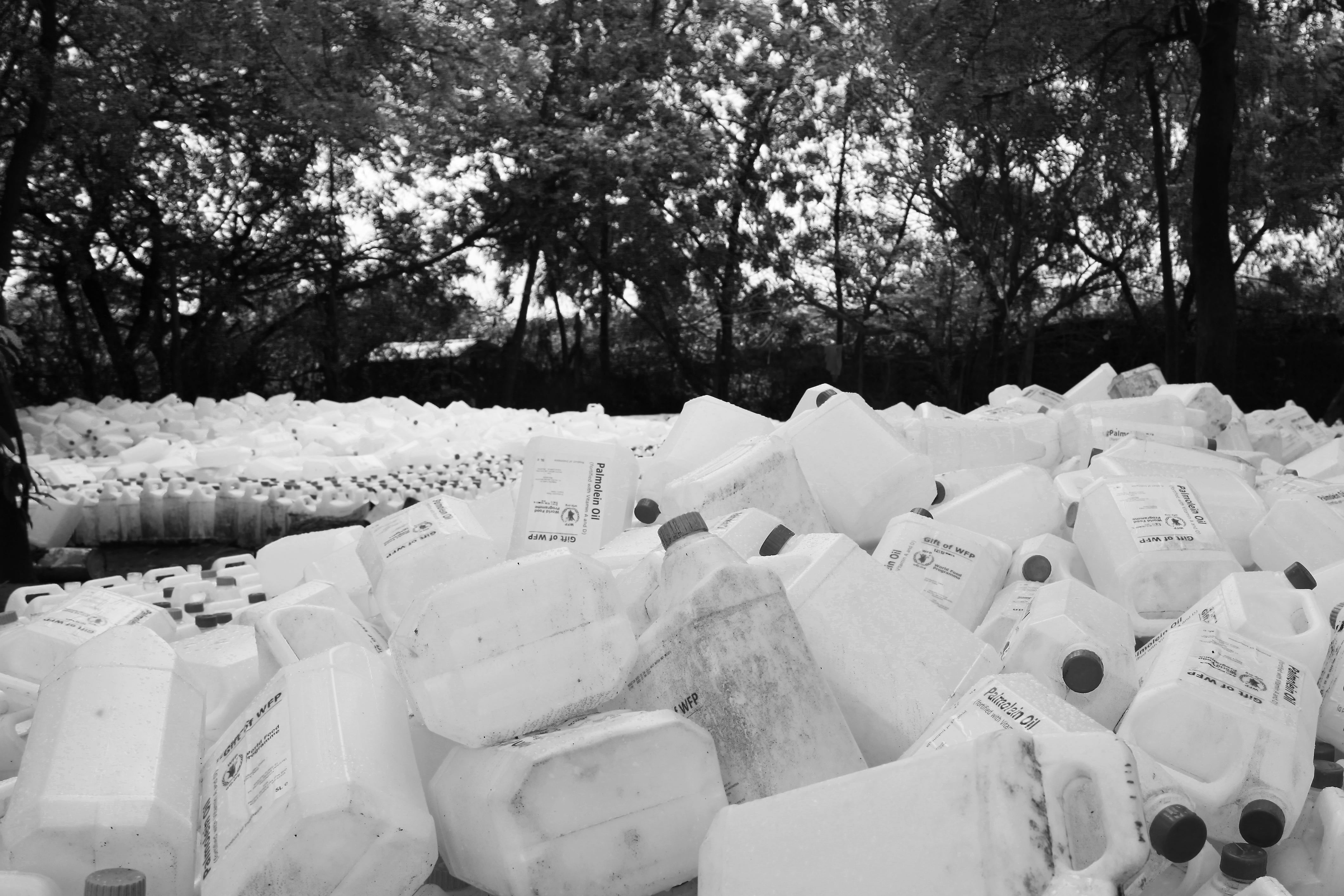
Kakuma Refugee Camp – the largest human storage place I have ever seen. It is the second-largest refugee camp in Kenya, home to 100,000 people from Somalia, Sudan, Ethiopia, Congo, Burundi, and Uganda. On average, refugees spend 17 years of their lives here. As of May 2012, the camp continues to see an influx of 450 people per week from South Sudan. They are waiting. Waiting. And waiting.
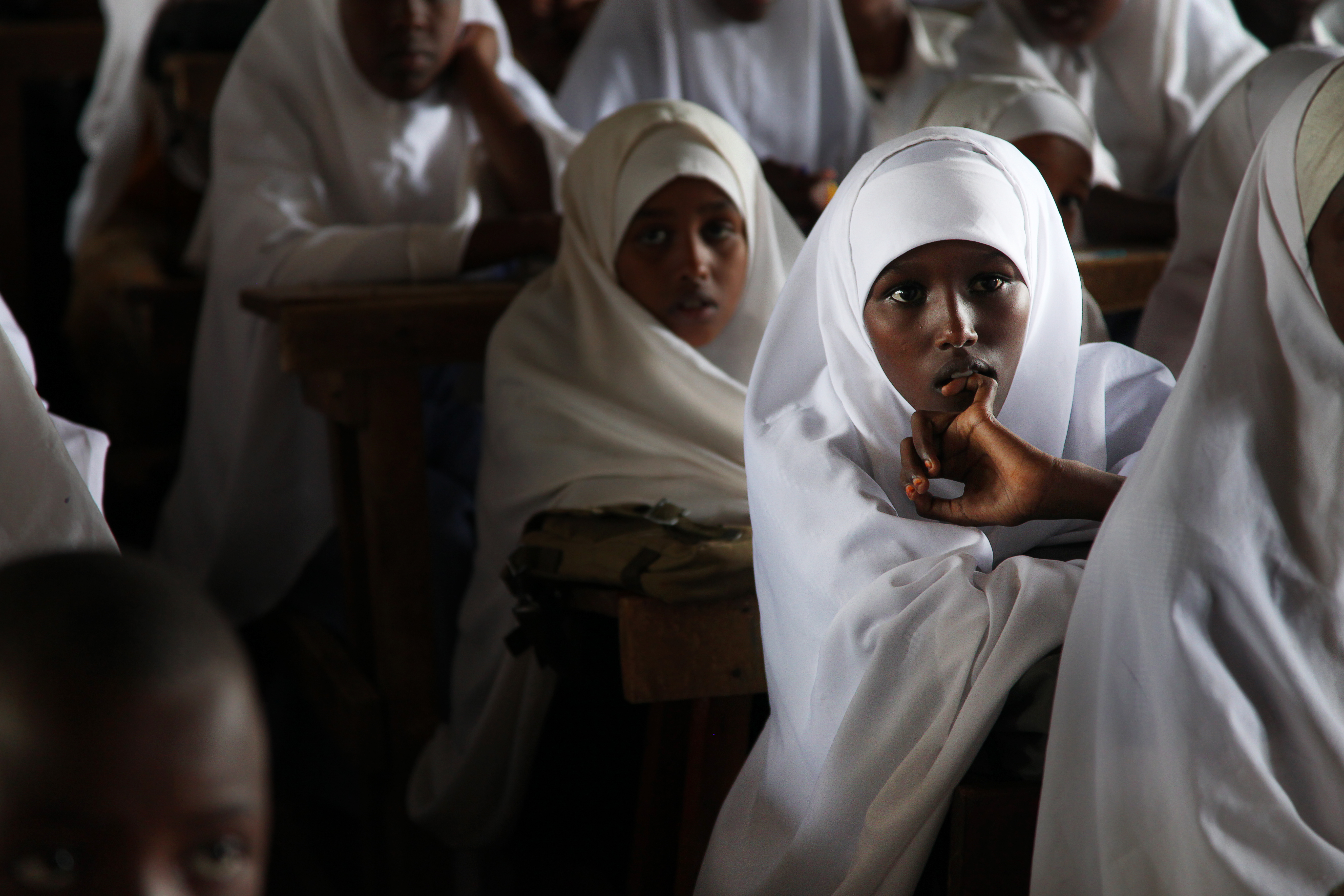
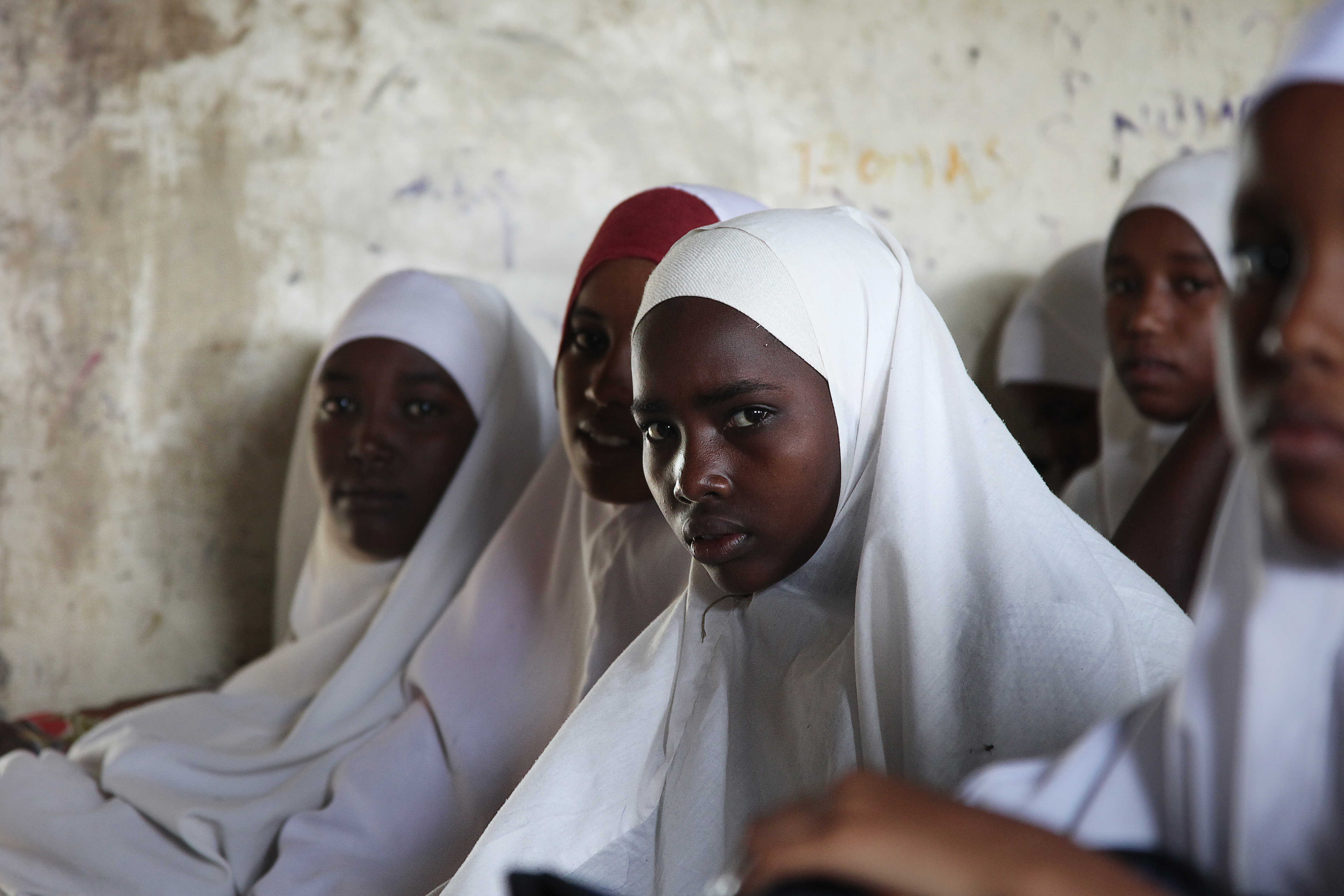

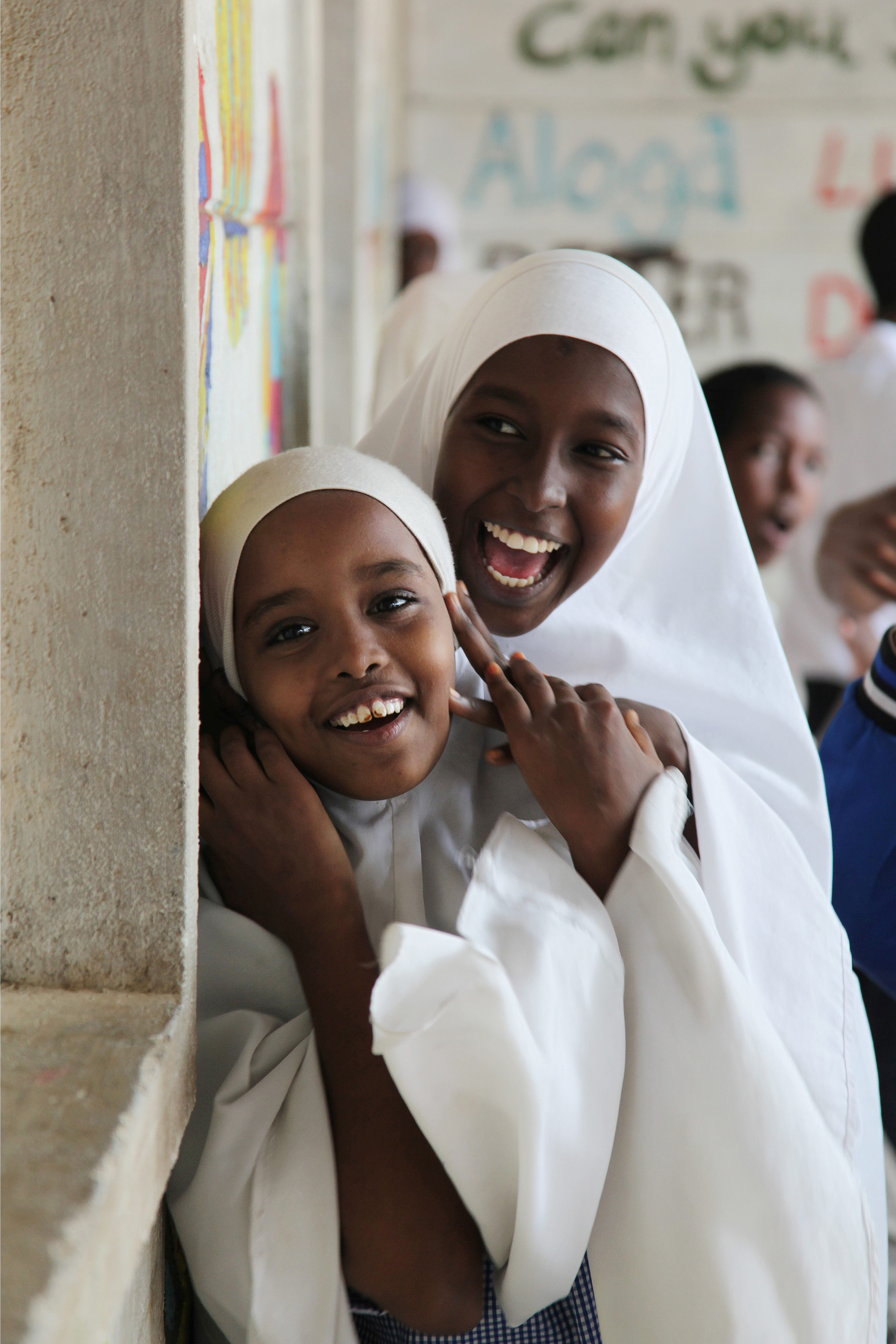
A classroom in Mogadishu Primary School inside the Kakuma Refugee Camp. This 4th grade class consists of boys and girls between 7 and 12 years (and probably older). There are 160 students of different nationalities in the class. Danida provides support for education in Kakuma through LWF.
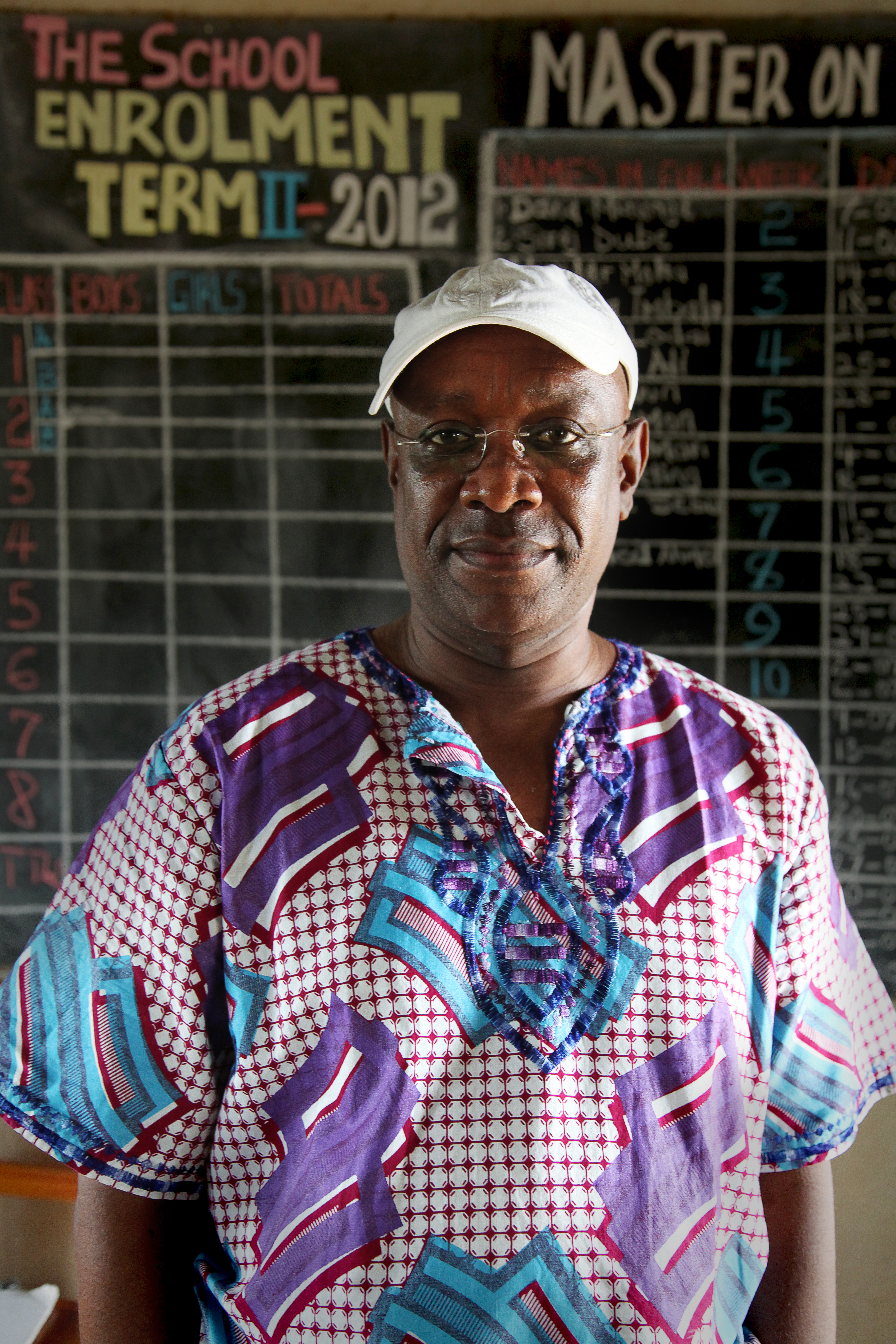
Primary school headmaster, Mr. Waiyaki, at Mogadishu Primary School in Kakuma.
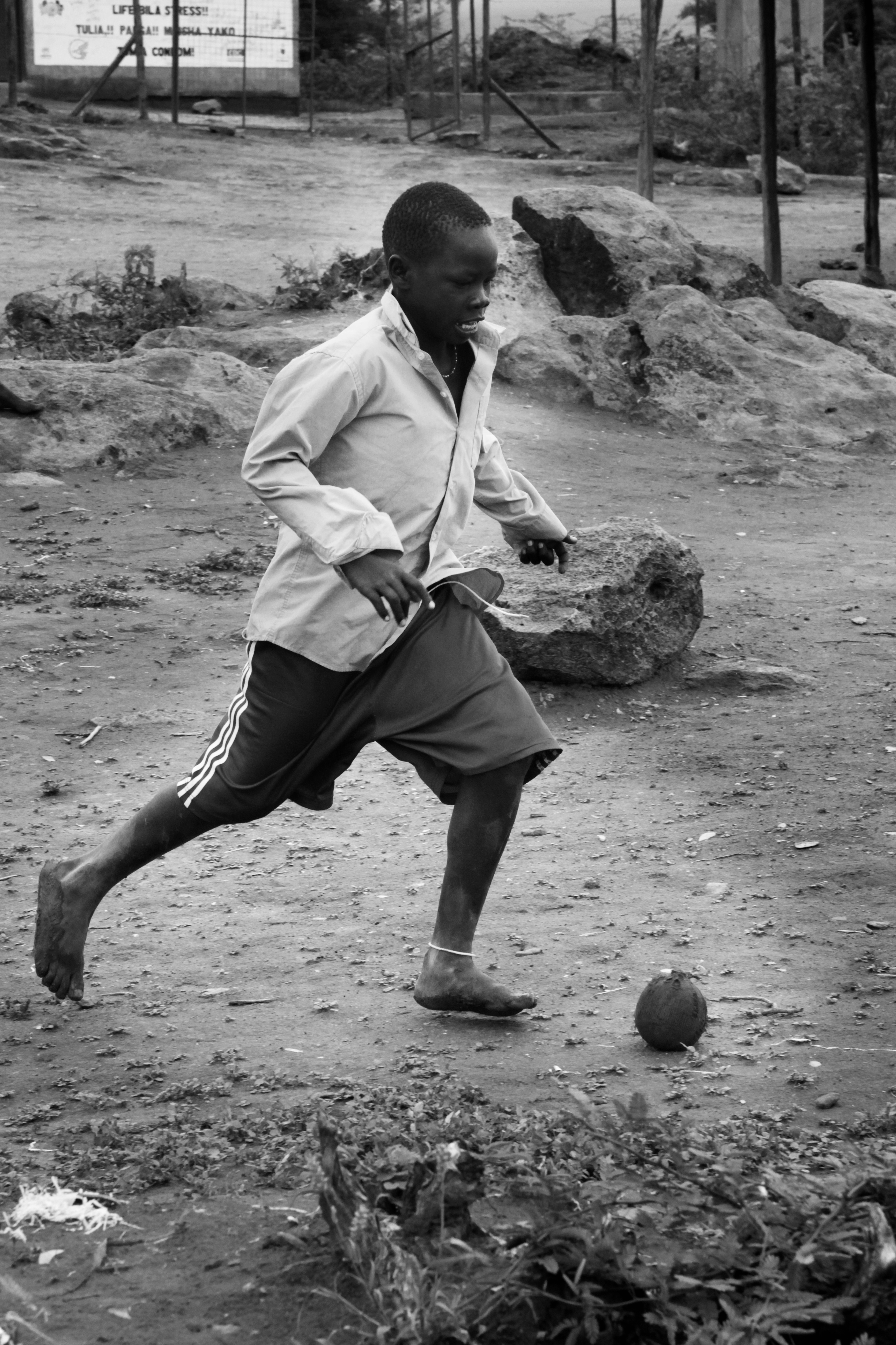
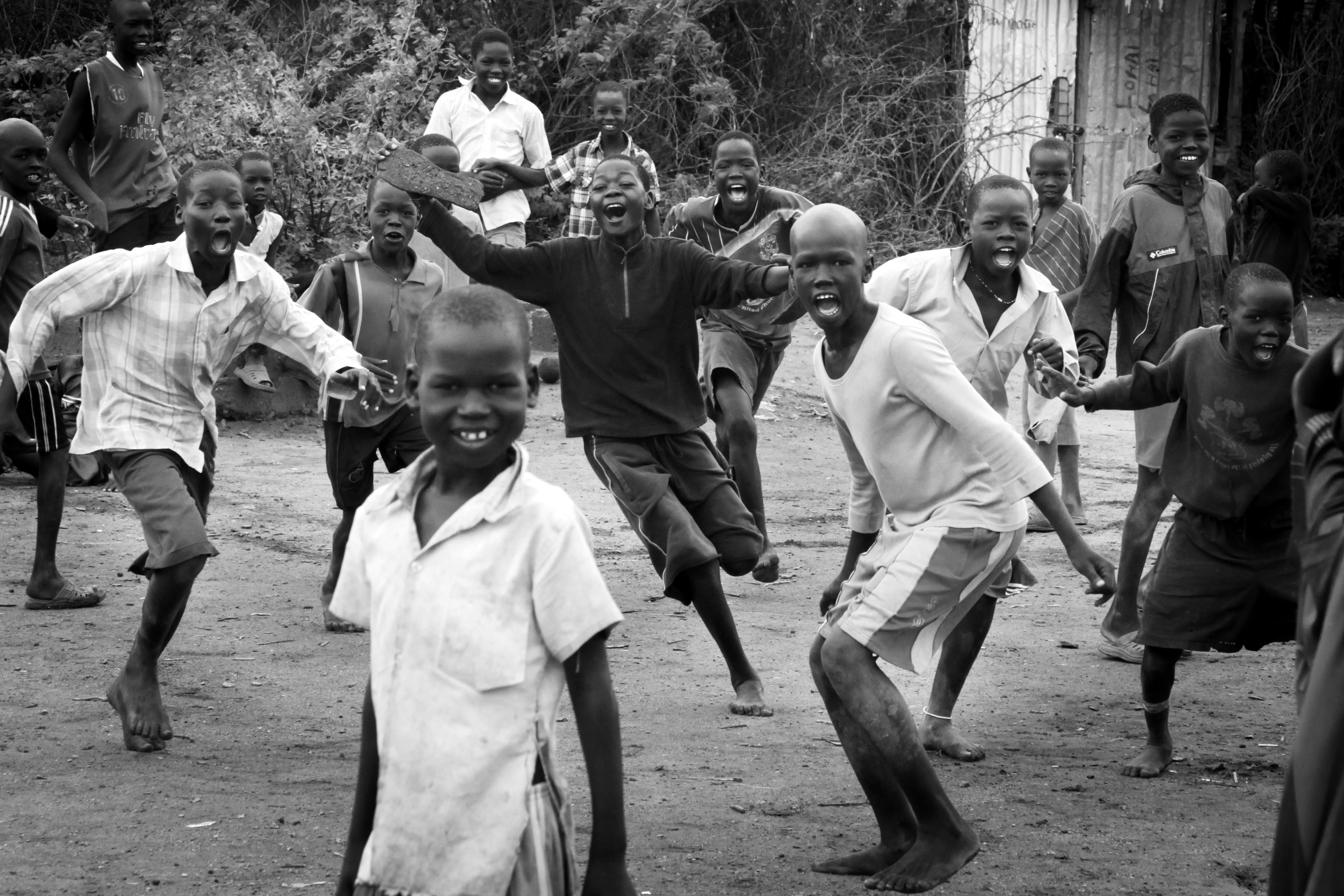
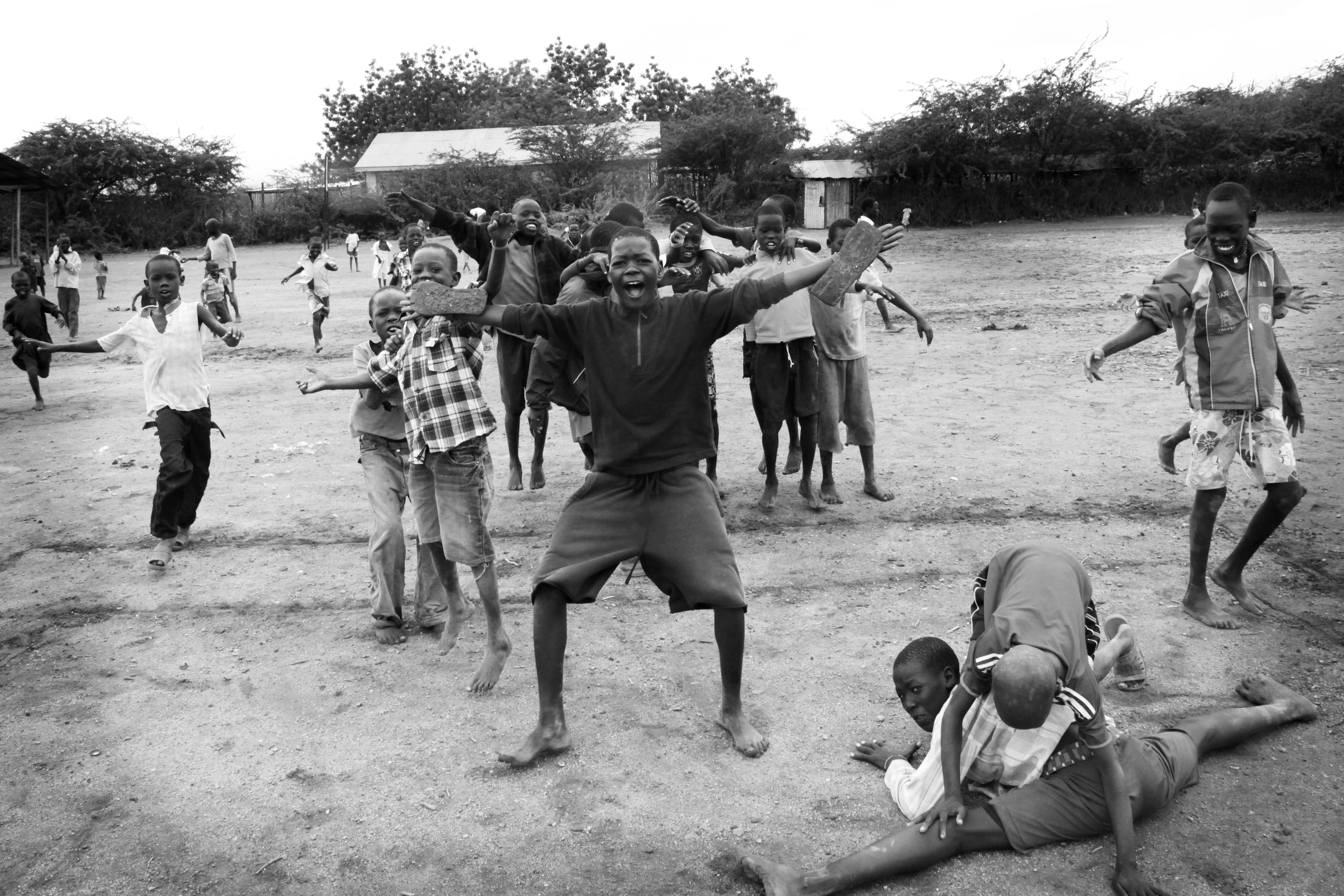
Boys playing football. Their “ball” is a lot of plastic rolled tightly. The field is a part of LWF’s “Youth and Sport unit within Kakuma”.
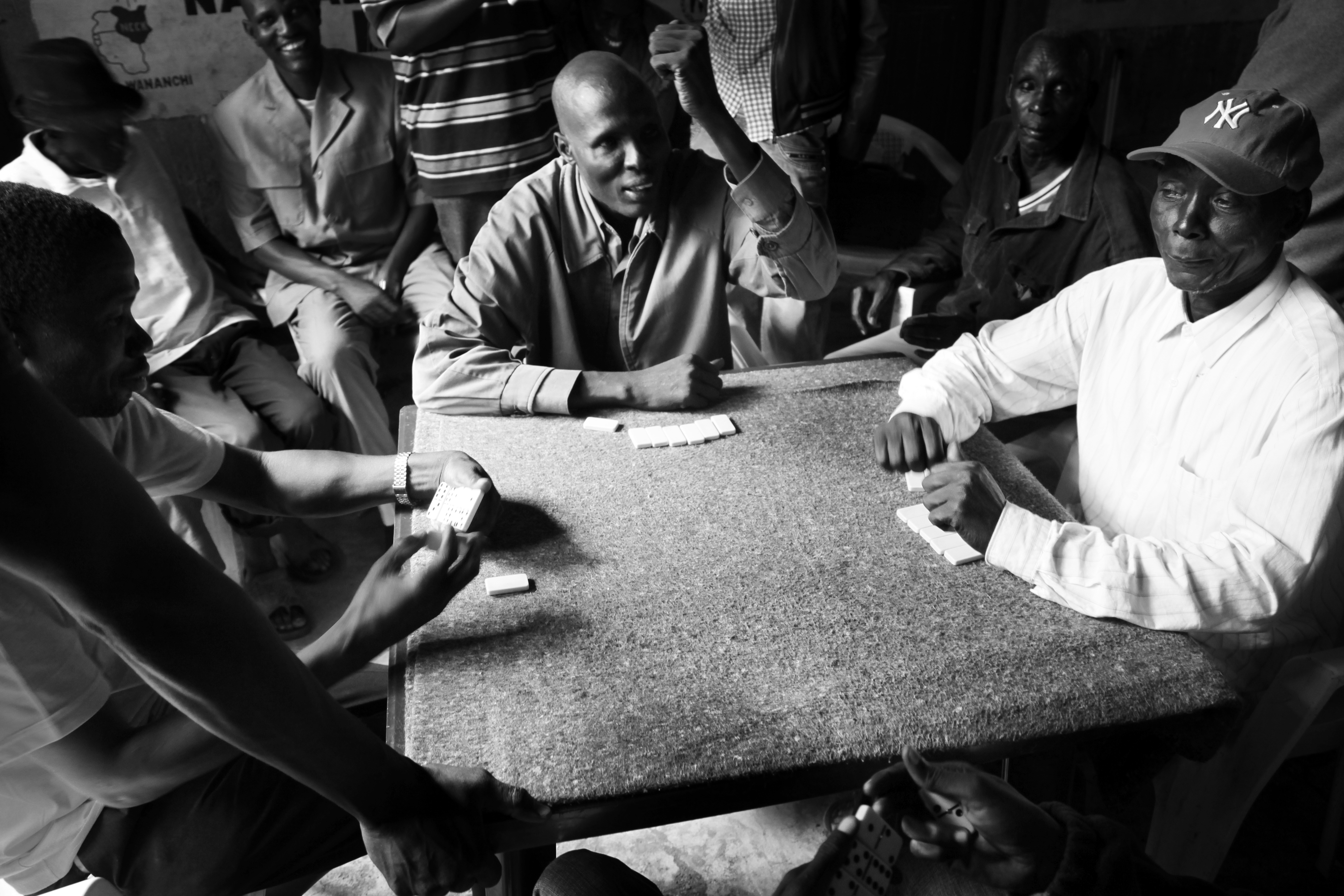

Shelters for men where they can play different games. The place is visited mostly by men from the same ethnic group.
Facts / During an unusually rainy May in 2012, a visit to Kakuma Refugee Camp was hosted by the Lutheran World Federation (LWF).
Kakuma Refugee Camp was established in 1992 following the arrival of 16,000 Sudanese “Lost Boys” and “Lost Girls” – minors who, along with 200 caretakers, embarked on a perilous five-year journey. Their odyssey began with fleeing the civil war in Sudan to Ethiopia. However, after conflict erupted in Ethiopia, they were forced to return to an insecure Sudan before ultimately making their way into Kenya through the border town of Lokichoggio. In the same year, large groups of Ethiopian refugees fled their country after the fall of the Ethiopian government, further increasing the camp’s population.
Geographical Location Kakuma Refugee Camp is situated on the outskirts of Kakuma town, the district headquarters for the newly created Turkana West District in Rift Valley Province, North Western Kenya. Key distances from Kakuma include: 120 km to Lodwar town, 95 km to Lokichoggio, Approximately 1,000 km to Nairobi
Local Population and Economy The local population of Kakuma town is approximately 96,000 and primarily consists of agro-pastoralist communities. However, additional livelihood activities include: Small-scale gold and precious stone mining, Rain-fed irrigation, which is limited due to the region’s arid and semi-arid climate. The area experiences extreme climatic conditions, with average temperatures often reaching 40°C.
 lysth.dk